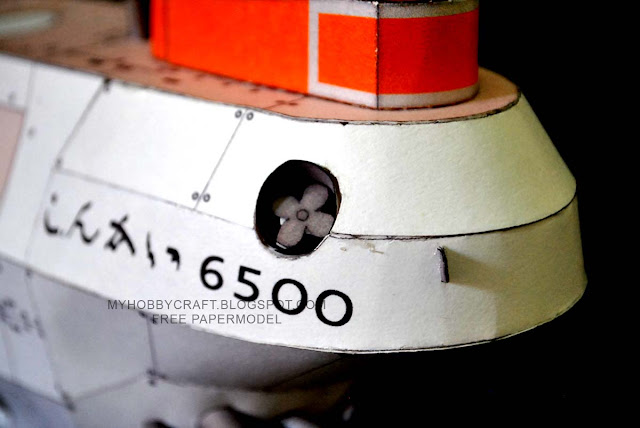
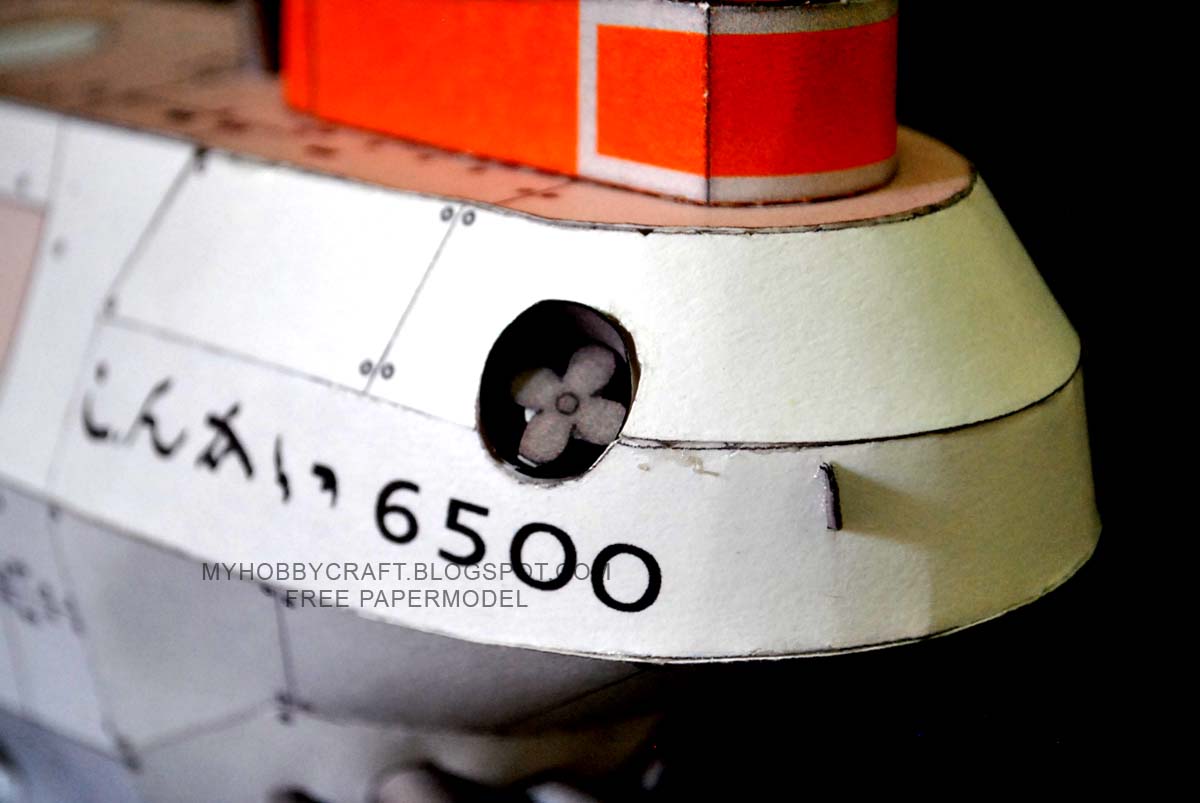
SHINKAI 6500 is a manned submersible that can dive up to the
depth of 6,500m, outperforming other manned research vehicle all over
the world today. In 1990,
SHINKAI 6500 began the mission to
study topography and geology of the seafloor as well as organisms in the
deep sea at Pacific Ocean, Atlantic Ocean, Indian Ocean in addition to
Japan Sea., and exceeded the 1000th dive in 2007.
- Ascertain Movements within the Earth's Interior
- Investigate movements within the Earth's interior, such as large
earthquakes, plate subduction, and mantle plume activity, and clarify
the way in which the Earth was formed.
- Clarify the Evolution of Living Organisms
- Investigations of the previously unexplored deep sea have so far
revealed a wide range of extremely unique biological communities and
chemosynthetic ecosystems. Chemosynthetic ecosystems are ecosystems that
have virtually no dependence on the Sun's energy in which
chemosynthetic bacteria produce organic materials using substances such
as hydrogen sulfide and methane in seawater expelled from the interior
part of the Earth as their energy source. It is hoped that studying
these deep-sea ecosystems will help to clarify the origins and
evolutionary processes of living organisms.
- Utilization and Conservation of Deep-Sea Organisms
- In order to solve future issues faced by the human, such as global
food issues, research into the sustainable use of deep-sea biological
resources and the gene resources of deep-sea organisms, which feature a
diverse range of physiologies, is required.
- Resolve Thermal and Material Cycles
- The history of global environmental changes, including climatic
variations and the intensification and attenuation of tidal currents, is
recorded in the various types of sediment found on the seafloor. SHINKAI 6500 will be used to collect samples of such sediments for analysis.
Heat
and materials expelled as a result of hydrothermal activity on the
seafloor have had a definite impact on the global environment.
Understanding hydrothermal systems in the deep sea will lead to further
understanding of global environmental changes.
source
-
price :US $2
buy now
here
please give some note the model name in paypal transaction
for Indonesian you can have it
here